


 CLICK TO CALL
Dental Health Blog | Birch Dental
Why Do Baby Teeth Need Fillings If They Fall Out Anyway?
October 18, 2026 / Kids Dentistry
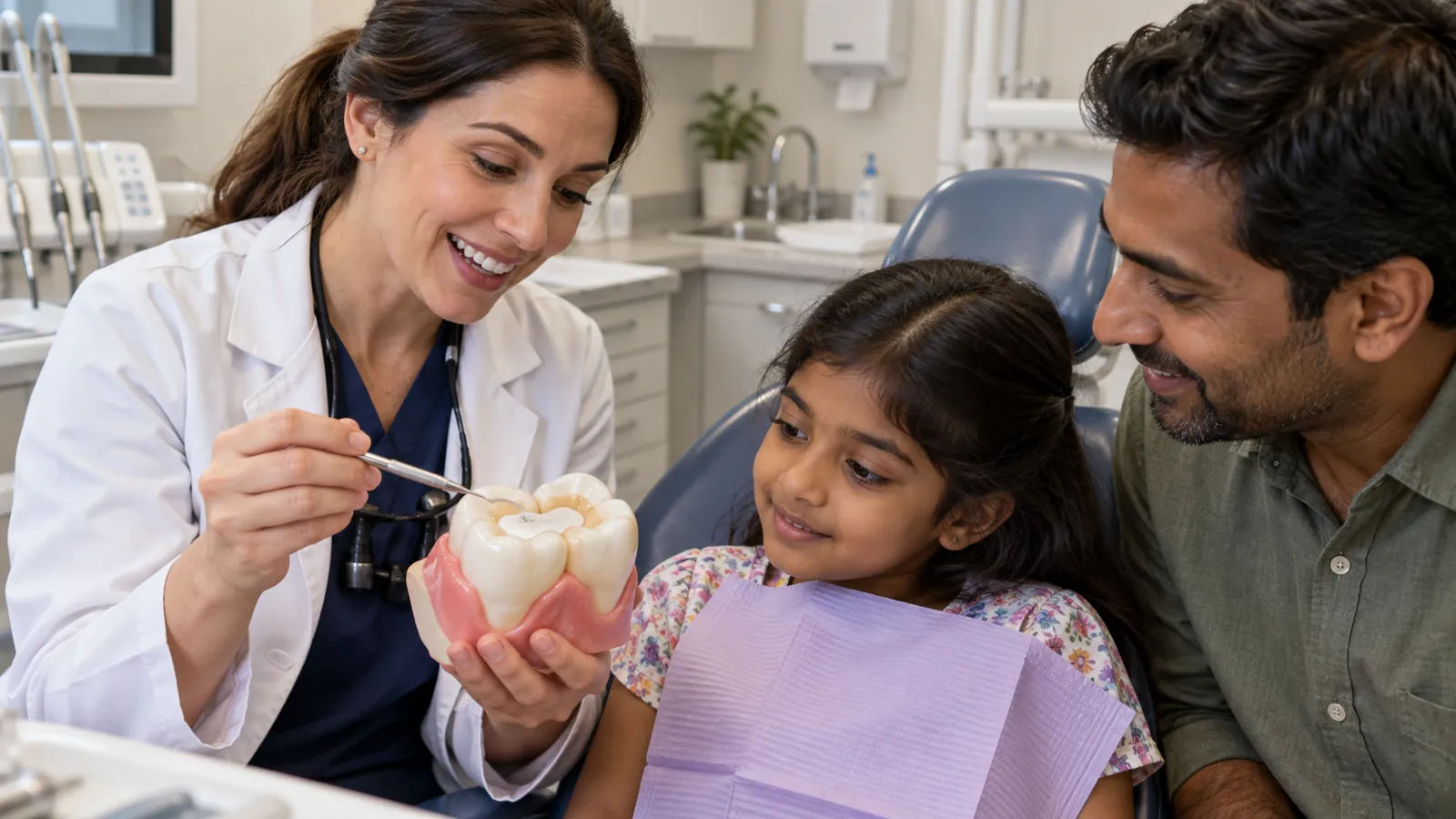
A baby tooth may need a filling because it still has work to do before its permanent replacement arrives. Treating decay can help preserve comfortable chewing and the tooth’s function during that time. Whether a filling is the right choice depends on the amount of damage, symptoms, how long the tooth is likely to remain and your child’s individual needs.
It is a reasonable question to ask a kids dentist: why repair something that will eventually be replaced? The missing piece is timing. A tooth that is close to coming out naturally is a different situation from a baby molar expected to stay for years. Pain, infection and the condition of the remaining tooth also change the decision.
For families in North Whitby, Birch Dental can explain those factors after examining the tooth. A recommendation should make sense for this tooth and this child, rather than follow a blanket rule about all baby teeth.
Why a Baby Tooth May Need Treatment
A baby tooth may need treatment to manage disease and keep it comfortable and functional until natural replacement. “Temporary” does not mean the tooth can be ignored while it is still being used every day.
The American Dental Association’s guide to baby teeth explains their roles in chewing, speech and maintaining space for permanent teeth. Losing a tooth early can raise different questions from losing it at the expected stage of development. If early removal is necessary, the dentist can assess whether the space needs follow-up.
Decay is also a process, not just a mark on a tooth. An early area of weakened enamel is different from a cavity where tooth structure has broken down. The NIDCR’s explanation of tooth decay distinguishes early mineral loss, which may be managed before a cavity forms, from an established hole that does not simply grow back.
That distinction helps explain why two children can receive different recommendations. One may need a prevention and monitoring plan; another may need a restoration. Neither decision can be made from the child’s age alone or from a parent’s view of the tooth in the bathroom mirror.
What Determines Whether a Filling Is Appropriate
A filling is considered when it can suitably restore the affected tooth, but the dentist first needs to assess the decay and the tooth’s overall condition. Size, depth, location and remaining sound structure all matter.
The AAPD’s report on treating tooth decay describes restoration selection as an individual decision that also accounts for the child’s health, ability to cooperate and ongoing decay risk. For more extensively damaged teeth, a filling may not provide enough protection; another treatment may be discussed.
Ask the dentist to show you the area being treated, using the examination findings or an image when appropriate. Useful questions include whether the decay has formed a cavity, how much tooth remains and what makes the proposed restoration suitable. You should not have to infer the diagnosis from a treatment estimate.
The likely remaining life of the tooth matters too. Birch’s article on children’s dental development gives general background, but an individual tooth needs its own assessment. Teeth do not all fall out at the same age, and the first loose front tooth does not mean the back baby teeth are about to follow.
How Decay Can Affect Comfort and Daily Life
Untreated decay can eventually affect eating, sleeping and everyday comfort, although it may cause no obvious symptoms at first. Waiting for pain is therefore not a reliable way to decide whether a tooth needs attention.
A child may adapt without explaining what is happening. They might avoid a particular food, chew only on one side or resist brushing near a sore area. Tell the dentist about those changes, even if your child says the tooth is fine during the appointment.
At the same time, do not assume every change in appetite or mood comes from a cavity. These observations help guide an assessment; they do not establish a diagnosis. The dentist will consider them alongside what the examination shows.
Call promptly about new pain, swelling, a gum bump or a child who is struggling to eat or drink. Facial swelling with fever needs urgent professional advice. Trouble breathing or swallowing, or severe spreading swelling, calls for emergency medical attention. A planned filling appointment should not become a reason to wait through worsening symptoms.
When discussing treatment timing, ask what may happen if care is delayed and which signs should trigger an earlier call. That gives you a more useful plan than either assuming the tooth can wait indefinitely or imagining that every cavity requires an immediate procedure.
When Another Approach May Be Discussed
A filling is only one possible approach. Depending on the diagnosis, the dentist may discuss preventive treatment and monitoring, a different restoration, treatment involving the tooth’s pulp, or removal when retaining the tooth is not appropriate.
The AAPD’s restorative dentistry guidance makes two important distinctions: not every decay lesion needs a restoration, and placing a restoration alone does not stop the disease process. The plan needs to address both the damaged area and the factors that contribute to further decay.
If a crown is suggested instead of a filling, ask what the crown would protect that a filling might not. If monitoring or a nonoperative option is proposed, ask what follow-up is required and how the dentist will judge whether it is working. Monitoring should come with clear review arrangements.
If extraction is recommended, ask why the tooth cannot reasonably be retained and what happens afterward. The decision depends on the clinical findings, not simply on a preference to avoid a filling. These discussions should include the practical burden of care, your child’s needs and the risks of each reasonable option.
How Home Care Supports the Treatment Plan
Home care helps reduce future decay risk, including around teeth that have already been restored. A filling repairs a particular area; it does not make the rest of the tooth or mouth immune to decay.
Ask the dental team to tailor brushing and cleaning advice to your child’s age and ability. Children often need adult help to reach every surface consistently. If the evening routine is a struggle, describe what happens rather than simply agreeing to a plan you cannot follow.
Discuss fluoride toothpaste, cleaning between touching teeth and how frequently your child has sugary foods or drinks. Small routine changes may be easier to sustain than a long list of rules introduced all at once. For example, the team can help you think through drinks carried around between meals or brushing that is regularly missed on rushed mornings.
Birch provides kids dentistry in Whitby, where you can discuss prevention alongside treatment. Ask whether your child needs a different review schedule or additional preventive care based on their findings. The appropriate plan is based on risk, rather than automatically being the same for every sibling.
Questions to Ask Before a Child’s Filling
Before agreeing to care, make sure you understand the reason for treatment, the proposed approach and what your child will need afterward. A short list can keep the appointment focused when you are also helping your child feel comfortable.
Consider asking:
- Which tooth needs care, and what did the examination show?
- Why is a filling appropriate rather than monitoring or another treatment?
- How long is this tooth likely to remain before natural replacement?
- How will discomfort and anxiety be managed?
- Are there any preparation instructions for this appointment?
- What should we watch for afterward, and when is follow-up needed?
Share previous dental experiences, sensory concerns, allergies and relevant medical information. Ask for language you can use to prepare your child without promising that the visit will feel a particular way. It is also reasonable to request a written estimate and clarification about what is included; coverage questions should not replace an explanation of the clinical recommendation.
Frequently Asked Questions
It needs assessment even without pain. Decay can be present before symptoms develop. The dentist can explain whether the area needs a restoration, preventive care or monitoring based on its actual condition.
No. Some situations call for another approach, and the size or depth of the damage may make a filling unsuitable. Ask which options are reasonable for the tooth rather than assuming all cavities are treated alike.
Tell the dentist what you have noticed. The expected replacement timing matters, but so do pain, infection and the condition of the tooth. A parent cannot reliably settle those questions from looseness alone.
Brushing supports prevention, but it does not rebuild missing tooth structure. Early enamel changes may be managed differently from a formed cavity. Ask the dentist which situation applies before relying on home care alone.
Use a consistent, age-appropriate cleaning routine and review food and drink habits with the dental team. Keep recommended follow-up visits so prevention can be adjusted as your child grows and their needs change.
Discuss Your Questions With Birch Dental
If your child has been advised to have a filling, contact Birch Dental in North Whitby with your questions. Understanding why the tooth needs care, what alternatives exist and how to support it afterward can make the decision much clearer for your family.